Late night thoughts: Theta as a small town
- Theta
- Analysis
It's late again. Coffee's gone cold.
A reader who runs his own Guardian node sent me a snapshot of everything that moved across Theta's main chain in one day. No explorer in between, straight from his node.
Roughly 15,500 transactions. About eight in ten were reward payouts. A couple of thousand ordinary transfers, a few hundred contract calls, a handful of staking moves. And payments for edge work, the thing Theta's whole story is built around: zero.
My first reaction was the obvious one. Where is everybody?
My second reaction was to stop thinking about blockchains and start thinking about a town.
The main street
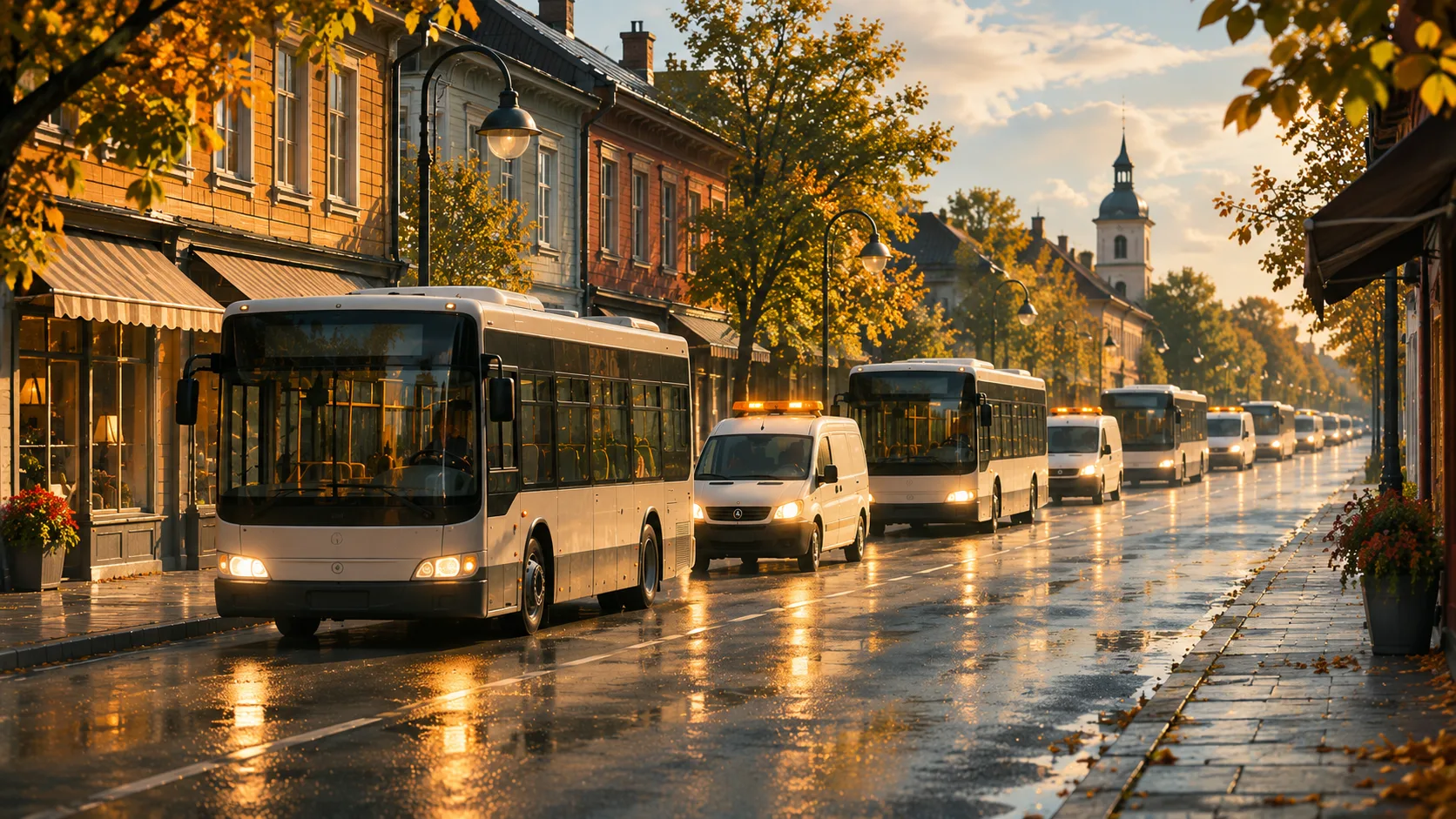
Picture Theta as a small town. Its main chain is the main street.
Stand on that street for a day and count the cars. Eight out of ten are the town's own service vehicles. They're out paying the people who keep the town running: the night watch, the workshops on standby. Necessary, but it's the town maintaining itself.
The other two out of ten are ordinary residents. Not many.
So the main street is quiet. That part is simply true.
One caveat: this is only the main street. The town also has neighbourhoods, Theta's subchains, with their own streets and roughly ten times more traffic. That's a story for another night.
The workshops on the edge of town
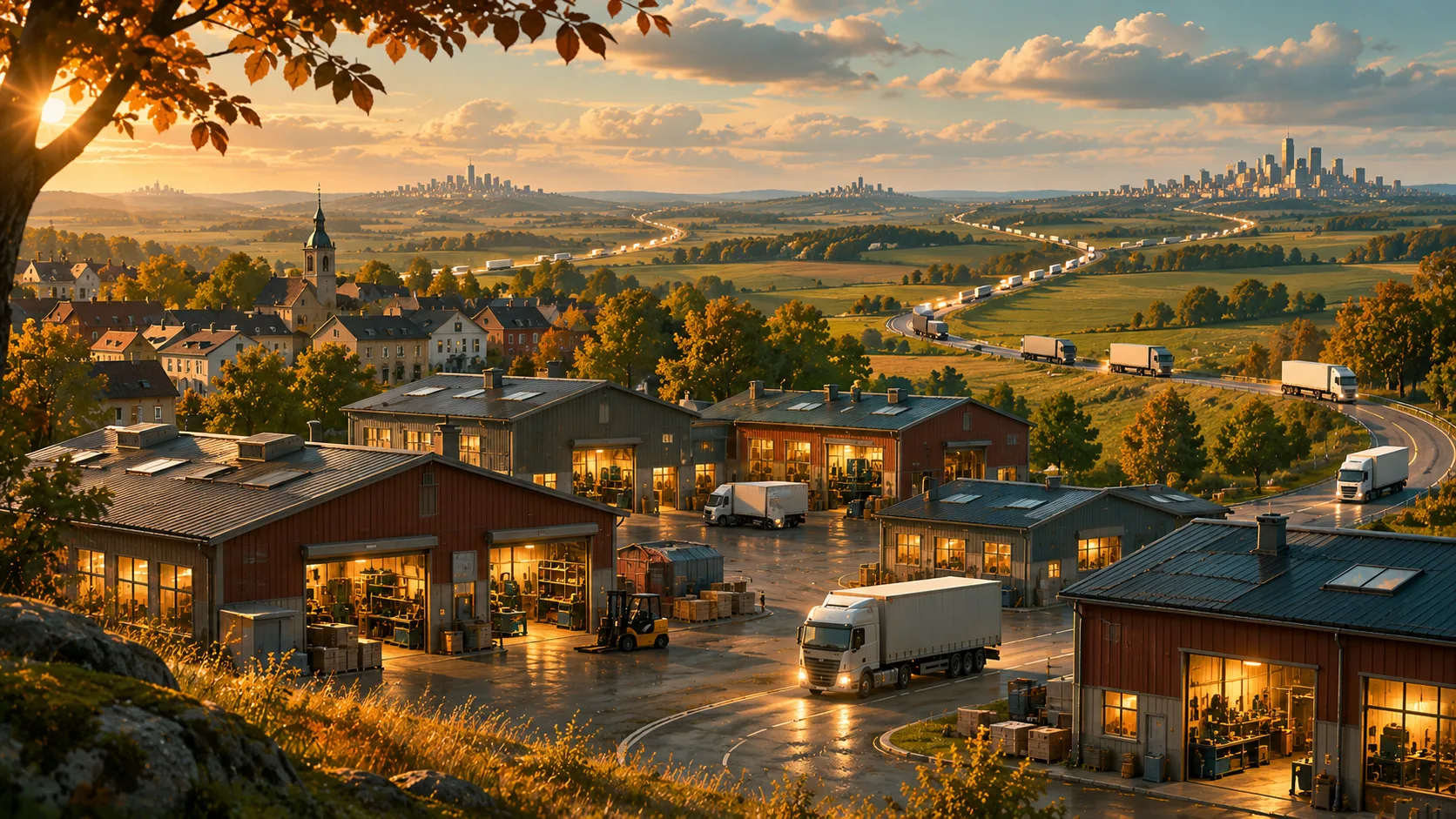
But the town isn't really built for its residents. It's built to work for the outside world.
On the edge of town there are workshops. Thousands of them, run by ordinary people with spare computers: Theta's edge nodes. They do jobs for customers far away. AI labs, sports clubs, companies. A trading house in town, EdgeCloud, run by Theta Labs, finds the customers and hands out the work.
None of that has to cross the main street. The work leaves through a side road.
Even the pay doesn't cross it job by job. According to Theta's own documentation, workshop pay is calculated in dollars and paid out in coins once a month, between the 1st and the 5th. So a quiet day on the main street says nothing about how busy the workshops were.
So a quiet main street and a busy town can both be true. That was the first thing the picture taught me.
Coins and keys
The town has two things you can own.
Coins. That's TFUEL. The town mints a fixed number every day and uses them to pay everyone who keeps things running. When some coins get used for certain services, a share goes into a furnace and disappears. That's the burn I track every week.
Keys. That's THETA. There are exactly one billion of them, and no more will ever be made. Keys open the town's watch stations: the validators and Guardian nodes that check every payment in the town's ledger and make sure nobody cheats. Lend your key to a watch station, or run your own, and you get paid. In coins.
You don't give your key away when you do this. You walk up to the watch station and turn the lock yourself.
The workshops, by the way, don't need keys at all. They put down a deposit in coins, stake TFUEL, and get paid for standing ready to work. A bit like on-call pay.
The uncomfortable part
Here's where my picture started to crack, and where it got interesting.
Right now the workshops pay better than the watch stations. Based on one operator's real numbers and public estimates, a Guardian node earns roughly 2% a year in dollar terms. An edge node staking TFUEL earns roughly 6 to 8%.
So why own a key at all?
Some critics ask exactly this, and they have a point. The coins do the work. The keys mostly keep the ledger honest.
And here's the second crack. If the town grows, it needs many more workshops. It doesn't need many more watch stations. A town can triple its export business without hiring three times as many guards.
So "Theta grows, therefore THETA goes up" isn't automatic. I don't want to pretend otherwise.
What could change
Still, there are a few ways the balance could shift.
The guards are paid in coins, but their stake is in keys. Today one key costs about 20 coins. If coins become more valuable relative to keys, the same guard duty pays more in real terms. Workshop owners staking coins see their stake and their pay rise together, so their percentage stays the same. A town where coins matter more is a town where keys pay better.
Big customers may want their own watch stations. A small company is fine trusting someone else to keep the ledger. A company that runs critical business through the town might not be. If Theta became infrastructure that matters, owning keys stops being about yield and starts being about not depending on strangers.
Early keys age well. Running a watch station doesn't get more expensive just because the town gets busier. If you bought your key when the town was small, and the coins you're paid in become worth much more, your guard pay grows without your costs growing with it.
None of these are promises. Rewards can change, prices can fall, and Theta Labs itself still holds roughly a quarter of all staked keys.
The one clue
There's one thing in the data that keeps me up.
Every day I measure how many of the town's new coins end up in the furnace. In August it was about one in ten. Since September it's been closer to one in seven, with a few days much higher.
Regular transaction fees can't explain that. Neither can the empty main street. Something is removing more of the town's coins than it did in the summer. My measurement shows that it's happening, not where.
Here's what I do know. Customers can pay the trading house in dollars, or in coins at a small discount. The workshops are always paid in coins.
So coins do flow to the workshops. What I can't see is where the trading house gets them. If it buys them on the market, every new customer creates demand for the town's coins. If it pays from its own stock, the business can grow while the coins barely notice. And neither tells me whether any of it ends up in the furnace.
Only Theta Labs knows which town we live in. A few simple numbers would settle it: how much EdgeCloud customers pay, and how the trading house gets the coins it pays out.
The key on my desk

I started the evening confused by an empty main street. I'm ending it with a better question.
Today, owning a key to this town pays less than running a workshop in it. That's honest, and it's fine to say out loud.
But if this small town ever becomes one of the places the world sends its digital work to, the keys won't be what they are today.
So here's what I'm left wondering, and what I'd like you to wonder too:
If the town gets big, what will it mean to hold one of its keys?
— Jacob